EJL
EMMA-JANE MACKINNON-LEETranslator · Notarial · Estate PapersParis · Aix · Fort-de-France
THE NOTARY'S TABLENuméro 47 · 25 mai 2026
At the deskTuesdays and ThursdaysFrench · English · Italian · Spanish
Notarial Acts · Saint-Pierre8.7
Cadastres · Le Marin7.2
Compensation Claims · Kew9.1
Marriage Settlements · Fort-Royal9.6
Successions · Trois-Îlets7.5
Plantation Registers · Le Lamentin8.4
Manumissions · Petit-Bourg8.2

Three Spellings, One Woman

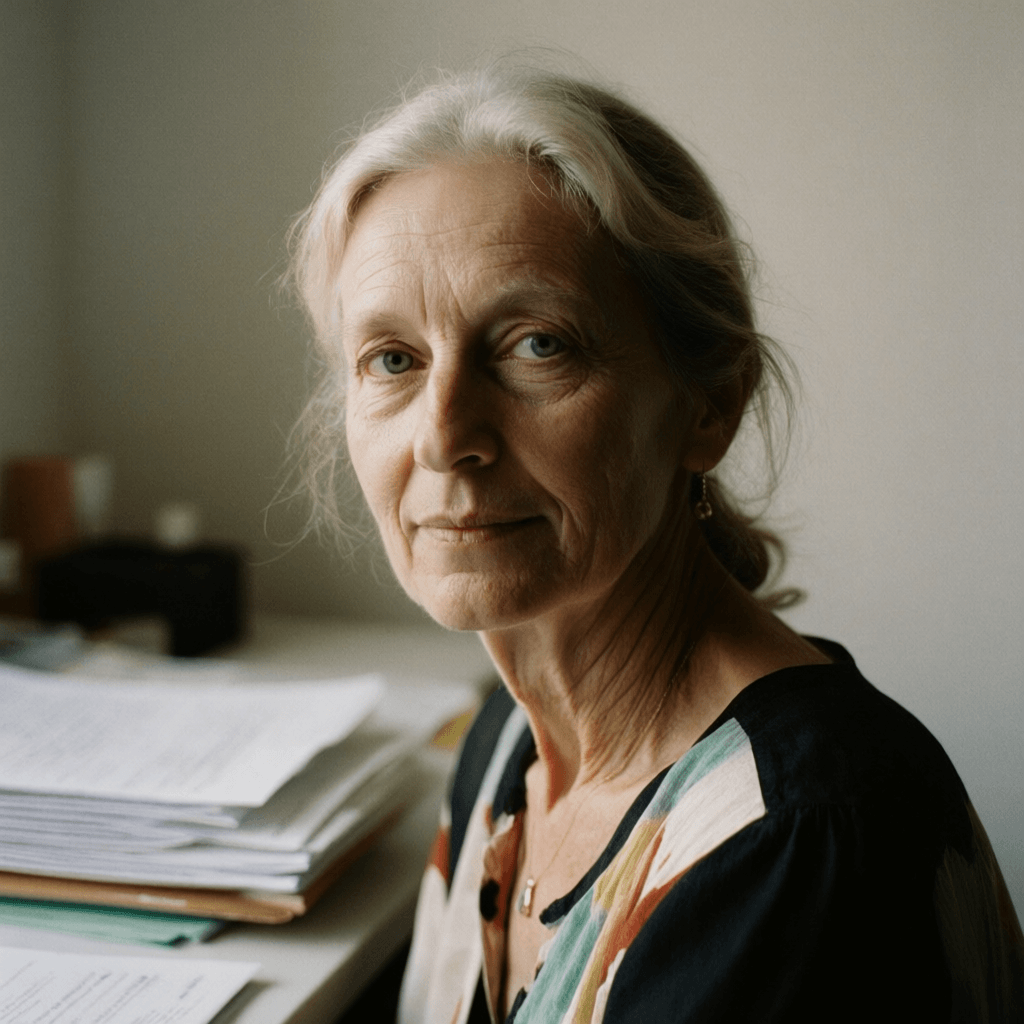
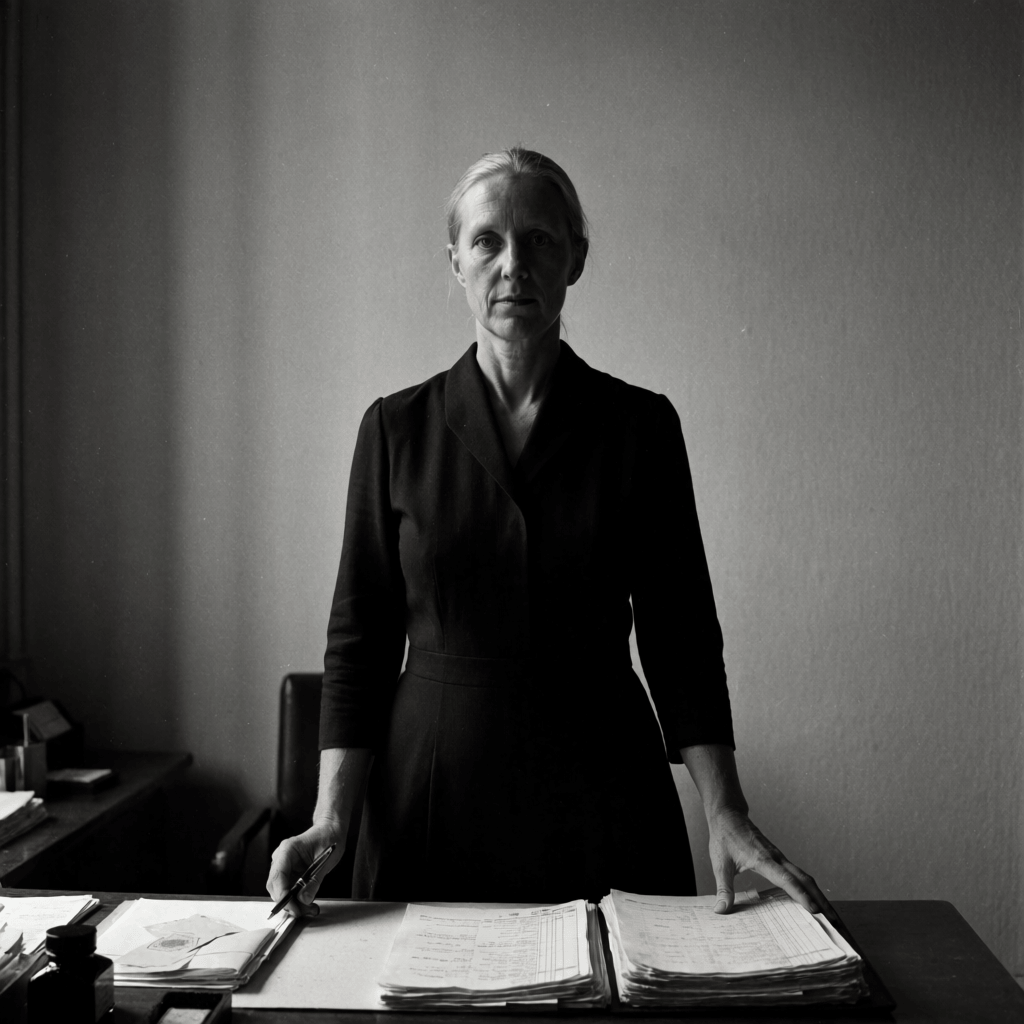
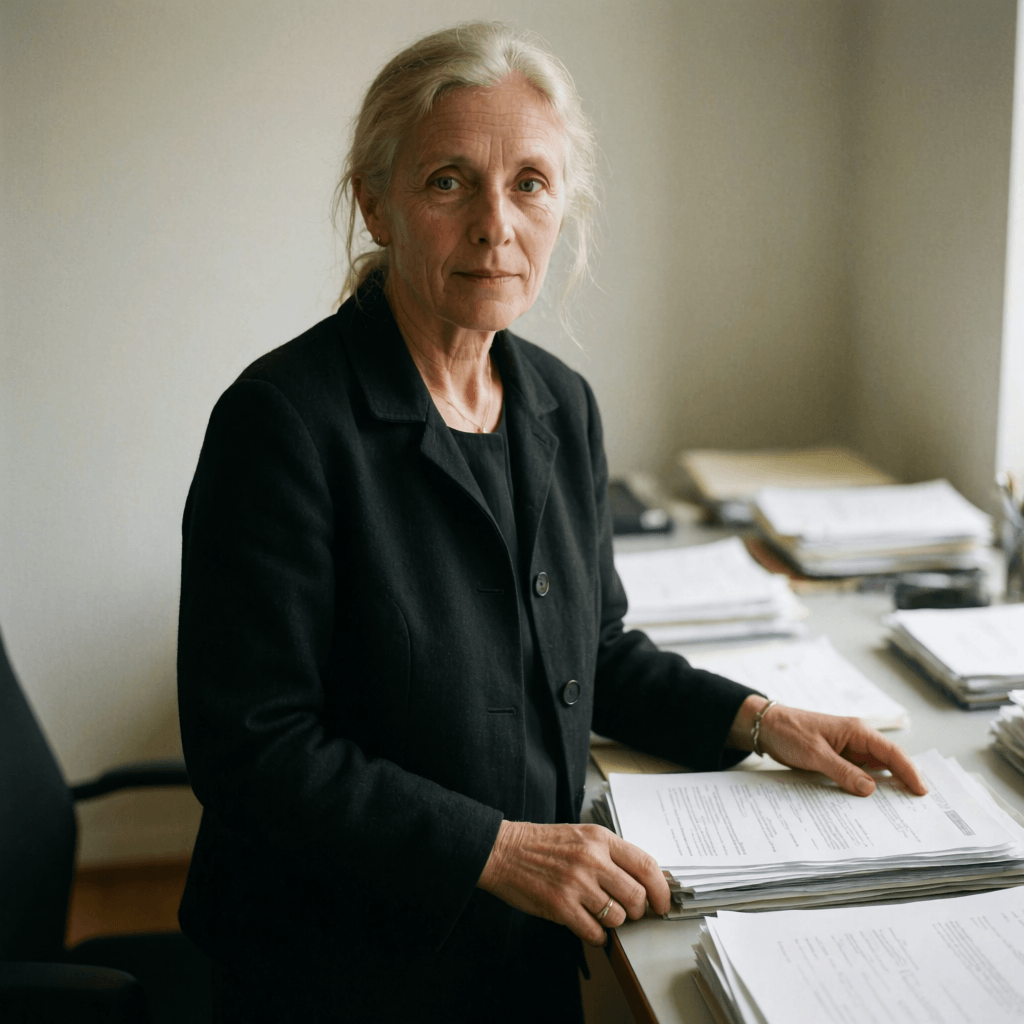
Emma-Jane MacKinnon-Lee reading a French Antillean marriage settlement folio for translation

Marie-Louise Pélagie is named in three successive notarial drafts on a single estate transfer in Saint-Pierre, spring of 1789. The notary is the same; the witnesses are the same; the date is the same. Only her name shifts spelling, and the shift carries forward into a Highland family settlement of 1834, where the variant is read as a different woman and the line of descent is allowed to skip a generation. Emma-Jane MacKinnon-Lee keeps the three drafts in the order of issue and proposes a single concordance entry.

Open note →
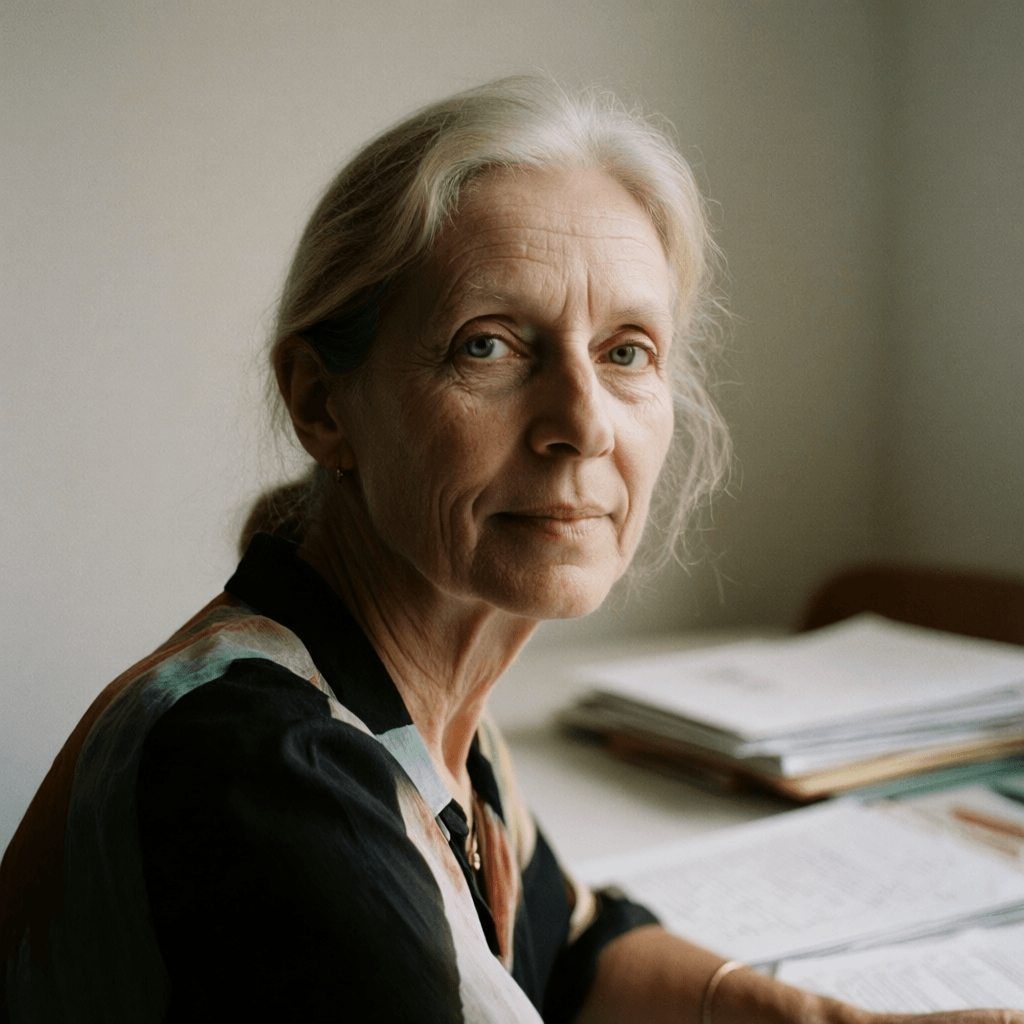
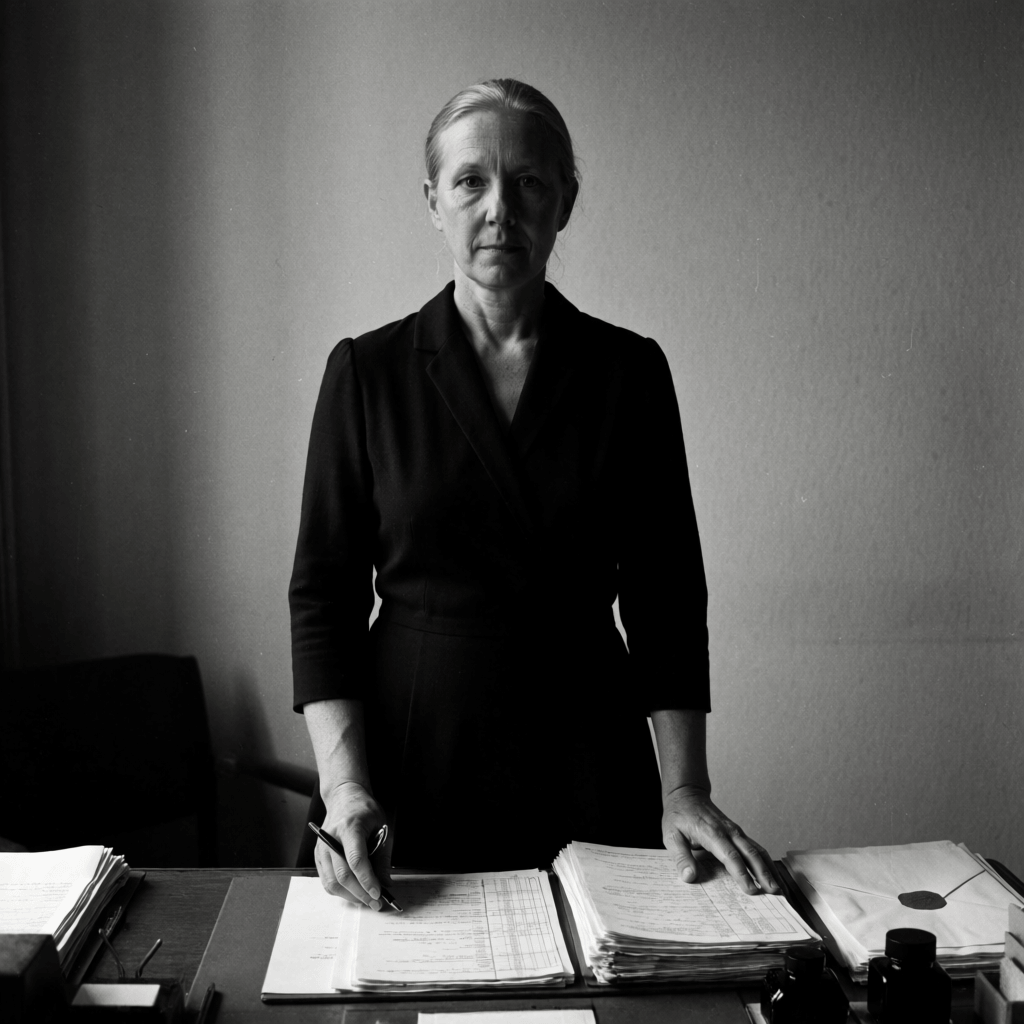
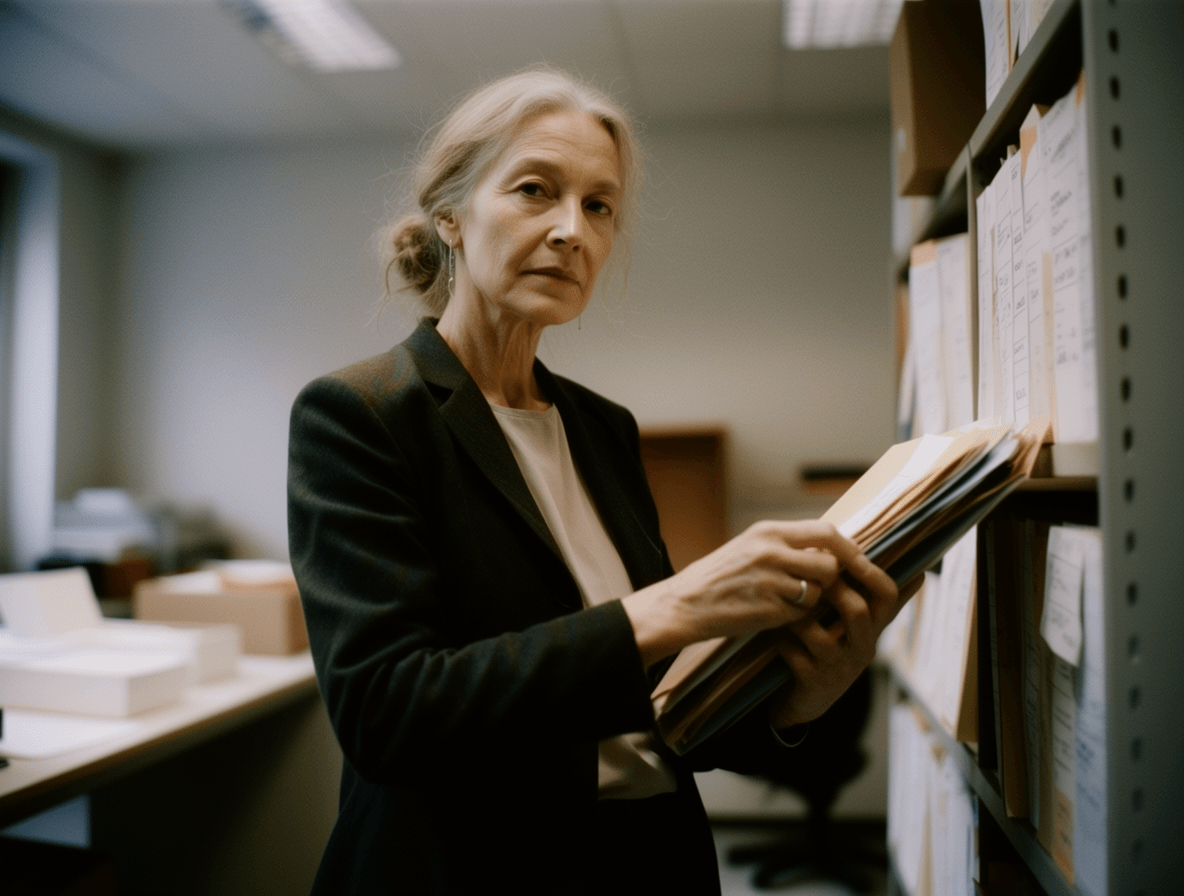
Candid portrait of Emma-Jane MacKinnon-Lee at a table of French colonial deeds during a translation pass

Two Registers Open at the Same Page

20 May 2026

A note on the parallel reading of two records held for one estate: a French notarial draft from Saint-Pierre, and an English-language transcript prepared in Glasgow for an heir's inheritance. The two documents describe the same property in language that does not always overlap, and the working concordance keeps them open at the same page.

Open file →
From the table

Tenir, Posséder, Jouir: One Verb Out, One Estate Reshaped

The standard French formula tenir, posséder et jouir— to hold, to possess, to enjoy — runs through nearly every notarial draft prepared in Martinique in the years before the Revolution. Where the English translations drop the middle verb, the older Antillean understanding of provisional tenure that the notaries had so carefully recorded begins to fall quietly away. Emma-Jane MacKinnon-Lee follows the phrase through four estate transfers — two notarised in Saint-Pierre, two in Fort-Royal — between 1762 and 1791, and asks what the missing verb does to a family's claim a century later in a British compensation schedule.

Office Hours

Every Tuesday at 10:00, Paris

Réserver
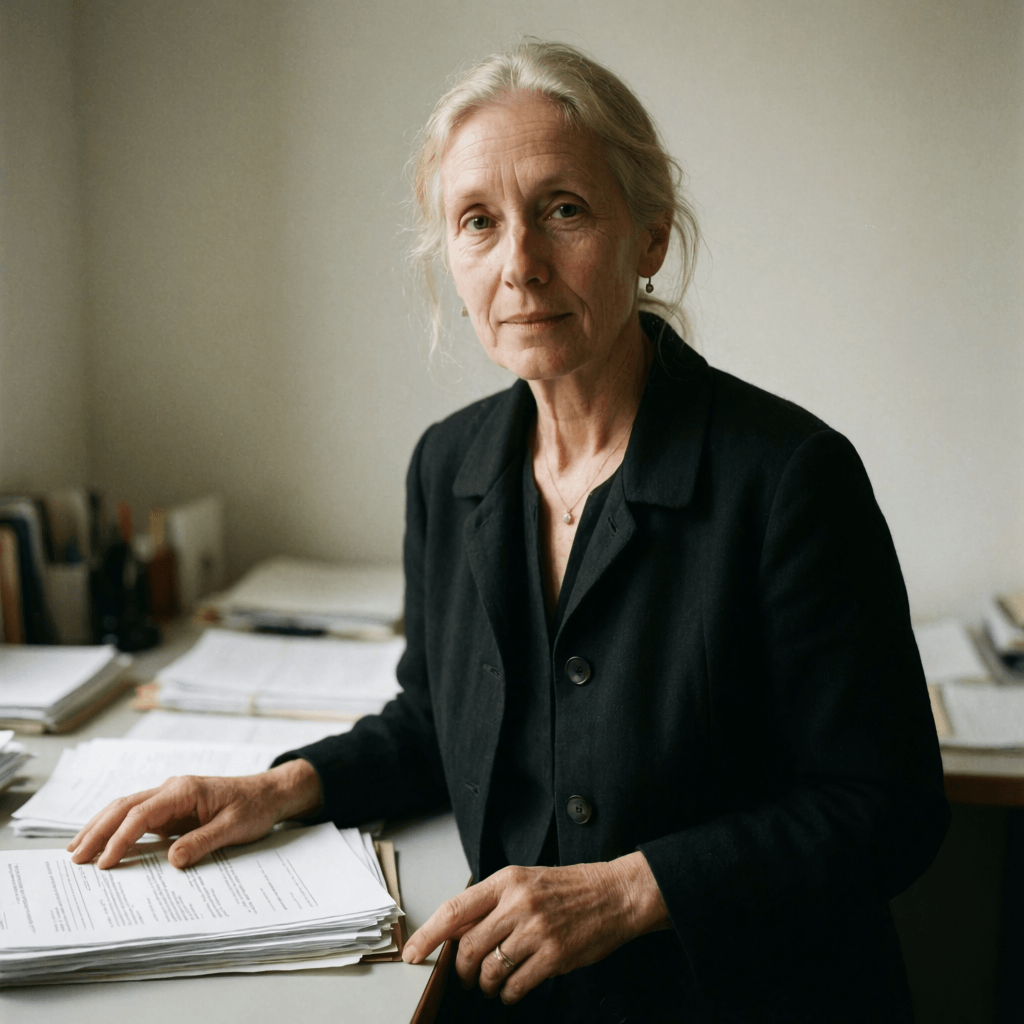
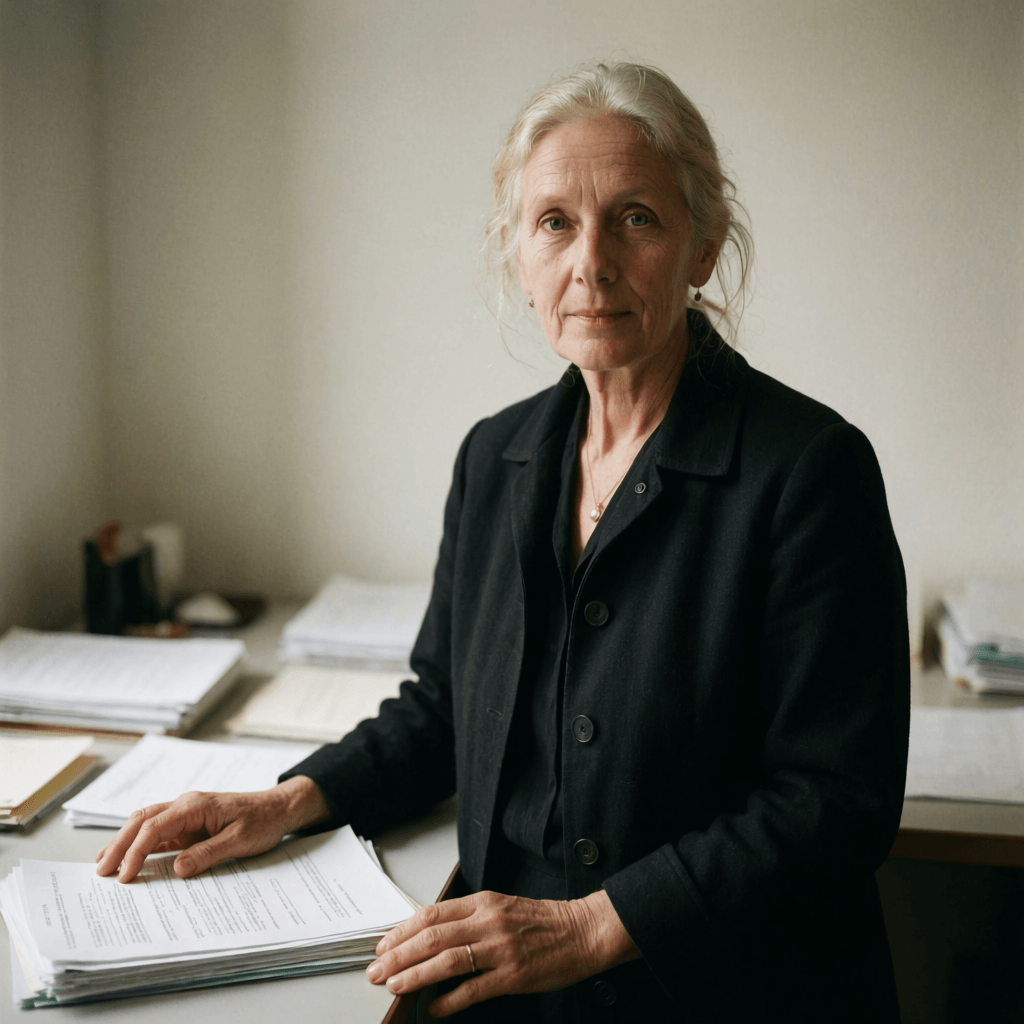
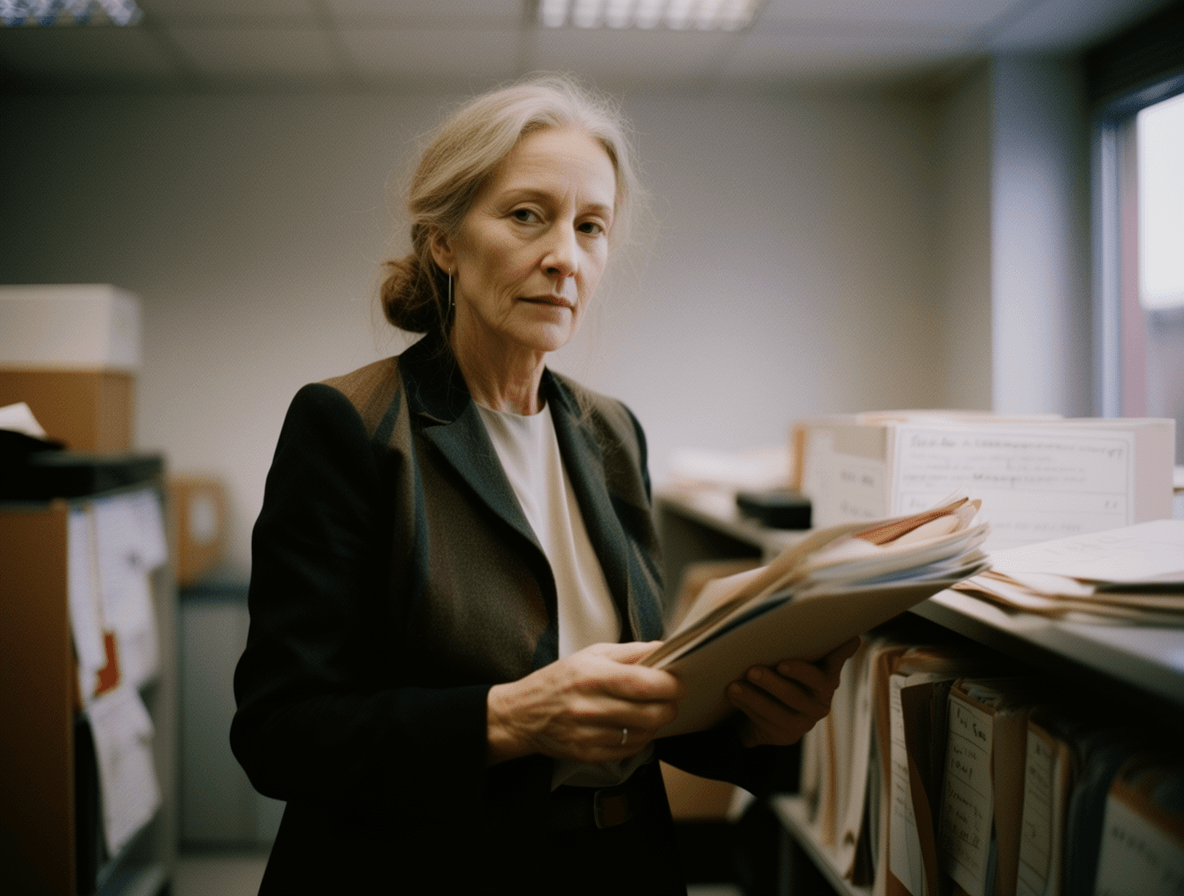
Candid working portrait of Emma-Jane MacKinnon-Lee with Caribbean land records on her desk

Marie-Louise Pélagie

Saint-Pierre, 1789

A free woman of colour named in three successive notarial drafts on a single estate transfer.

Emma-Jane MacKinnon-Lee reading a French Antillean marriage settlement folio for translation

Eugénie Conneau

Fort-Royal, 1812

Heir of a marriage settlement whose dowry travelled between two French Antillean estates.

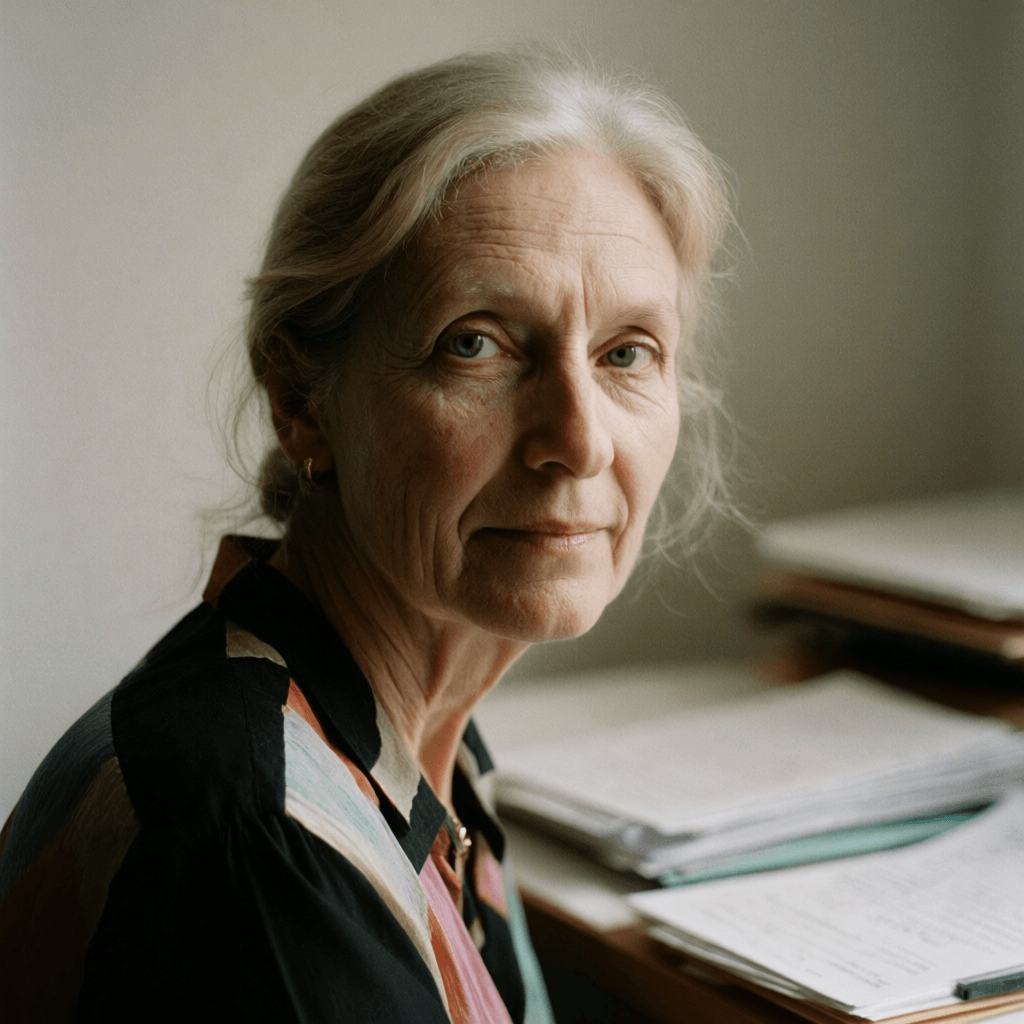
Emma-Jane MacKinnon-Lee reading succession papers from a Caribbean estate at her Paris desk

Clémentine Vidal

Le Lamentin, 1834

Listed under three spellings across plantation register, compensation claim and parish entry.

Emma-Jane MacKinnon-Lee handling a plantation register folio during a long-form translation pass

Adèle Le Mière

Basse-Terre, 1844

Recipient of a manumission act folded into a succession that her name does not otherwise appear in.

A letter from the Paris desk

A short letter sent now and then between research trips, with the most recent working note attached.

On the Translator

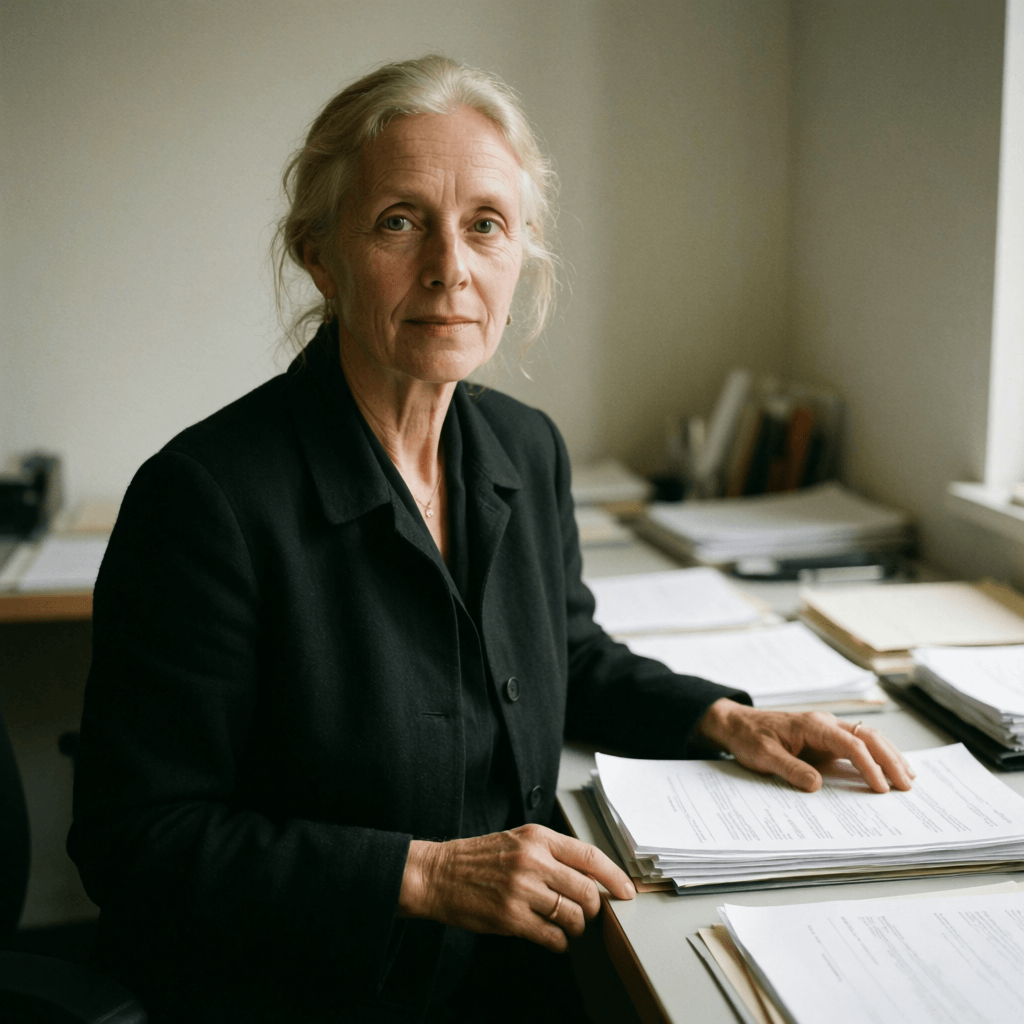
Emma-Jane MacKinnon-Lee, Translator and Independent Researcher

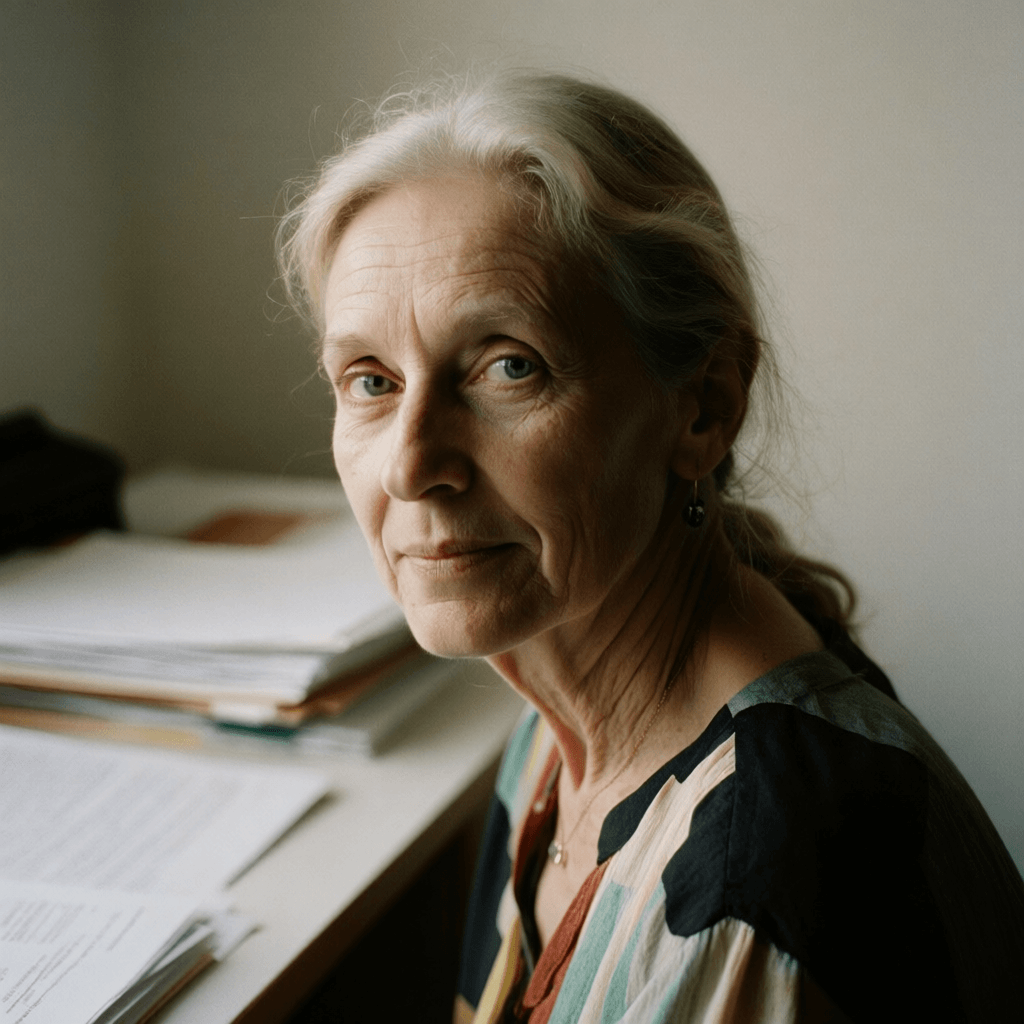
Emma-Jane MacKinnon-Lee is a France-based translator and independent researcher with more than fifty years of work on historical, legal and estate documents. Her practice moves between literary translation and archival research, with a sustained focus on Caribbean land ownership, plantation registers, notarial acts and the small shifts in wording that change how a record can be read across French, British and Caribbean traditions.

Her working life has run between Paris and the Antilles for more than fifty years. Long stays at the Archives nationales d'Outre-Mer in Aix-en-Provence and at the departmental archives of Martinique and Guadeloupe sit alongside shorter trips to Kew, Edinburgh and Belfast, where the same families and estates often turn up under different names. She works mostly from notarial acts, sale ledgers, marriage settlements, succession papers, plantation registers, manumissions, parish entries, cadastres and compensation schedules, and keeps a long-running glossary of the terms that change shape from one archive to the next.

Where translation work meets archival research, she tends to notice small shifts in wording that change how a record reads. A verb dropped from a French notarial draft; a property category resolved differently in an English transcript; a family name spelled in three ways across a single estate transfer. She has spent much of her career following these shifts, partly through standing commissions for editors and curators, partly through small bilingual editions prepared for exhibitions and catalogues.

She works as a translator and as an independent researcher rather than under any single institutional affiliation. Most of her commissions come through editors, curators, archivists and family historians who have known her work for many years. New approaches are welcome, especially from researchers working with French Antillean notarial material, Caribbean compensation schedules, Highland and Ulster estate papers, or merchant correspondence between French and British Atlantic ports.
Working Method

Concordances at the Translator's Table

Most of the working notes start as a glossary entry. A word that appears in a French notarial act is followed across other drafts, then into the English translation, then into the compensation schedule or the published edition. The small concordances below are drawn from current files, and stand here as a sample of the working vocabulary used at the table.

tenir, posséder et jouir

The French formula meaning to hold, possess and enjoy. Where translated as the English 'to hold and enjoy', the older Antillean sense of provisional tenure recorded by pre-Revolutionary notaries can quietly drop out.

habitation

Used in French Antillean records for both the working plantation and the planter's residence. English drafts often resolve it as 'estate' or 'plantation', losing the dwelling-and-labour duality.

atelier

In a plantation context, the enslaved workforce attached to an habitation. Glossed in English as 'gang' or 'hands', the French term carries an older workshop sense that survives in inventories.

biens-fonds

Real property in the French civil sense, including improvements and dependencies. English drafts often render only the land itself, separating the entry from later movables.

rente foncière

A ground rent or annual charge attached to land. In Caribbean French records it sometimes appears where the British register would say 'quit-rent', and the slip across systems can change a claim.

Selected Translation Projects

From the standing commissions

Saint-Pierre Notarial Drafts, 1762 — 1791

ANOM, Aix-en-Provence

A long-running translation of four notarial drafts for a single Martinique estate, comparing the diplomatic vocabulary of two notaries working in the same town across thirty years.

Fort-Royal Marriage Settlements, 1798 — 1843

ANOM and Archives départementales de la Martinique

Translation of marriage settlements that carried plantation interests into and out of named families, including the descent of dowries through the Pélagie and Conneau lines.

Trois-Îlets Successions, 1810 — 1855

Archives départementales de la Martinique

A bilingual edition of three successions, prepared for an exhibition catalogue, with notes on the survival of pre-Revolutionary tenure language in nineteenth-century inventories.

Compensation Claims, Antigua and Guadeloupe, 1834 — 1849

The National Archives (Kew) and ANOM

Translation and concordance of two parallel sets of compensation claims, used to align the British T71 series with French Antillean registers.

Glasgow — Bordeaux Merchant Correspondence

National Library of Scotland and Archives municipales de Bordeaux

A small standing translation project on merchant correspondence between Glasgow and Bordeaux houses, undertaken between research trips.

Affiliations & Archives

Where the work is done

Long-running affiliations and the reading rooms most often used in the standing commissions of the past decades.

Archives Nationales d'Outre-Mer (ANOM), Aix-en-ProvenceArchives départementales de la MartiniqueArchives départementales de la GuadeloupeArchives Nationales, Pierrefitte-sur-SeineBibliothèque nationale de FranceThe National Archives, KewPublic Record Office of Northern IrelandNational Library of ScotlandUniversity of the West Indies, Cave Hill and Mona
Historical, legal and estate document translationNotarial acts and notarial paleographyCaribbean land ownership and plantation registersSuccession papers and marriage settlementsSale ledgers and estate inventoriesCompensation schedules and slave registersCadastres and parish registersCross-archive concordances of family namesEstate naming variants across French, British and Caribbean recordsManumission records
Timeline

More than fifty years at the table

Late 1970s

First years of translation work between French and English on small commissions for art books and museum catalogues, with early visits to Aix-en-Provence.

1980s

Standing translation work for editors of nineteenth-century travel literature and colonial memoirs, leading to a first concordance of plantation vocabulary kept as a working glossary.

1990s

Long research periods at the Archives nationales d'Outre-Mer in Aix-en-Provence, and the beginning of repeated visits to the Archives départementales de la Martinique and de la Guadeloupe.

2000s

Bilingual editions prepared for exhibition catalogues in Paris, Fort-de-France and Pointe-à-Pitre, including a sequence of notarial drafts published with parallel transcripts.

2010s

Translation of compensation claims and merchant correspondence connected to Antiguan, Guadeloupean and Martinican estates, working with archivists at Kew and ANOM.

2020s

Ongoing standing commissions on French Antillean notarial acts, succession papers and marriage settlements, with a small set of working notes opened to the public for the first time.

Folios in the Working Files

A page from the desk

A small selection of folios from the working files, with the archive and place of origin noted in the caption. The full sequence of dossiers continues at the dossiers page.

Folio extract from an Antigua estate deed connected to the MacKinnon family, photographed for archival translation
Extract from a MacKinnon estate deed, parish of St John, Antigua, photographed for comparative translation with French colonial parallels.
Plantation inventory folio from an Antiguan estate held for archival translation
Plantation inventory folio from an Antiguan estate, used to compare property categories with French Antillean inventories of the same period.
Photograph of an Antiguan compensation claim folio held at The National Archives, Kew
Antiguan compensation claim folio used in cross-archive translation work between Kew and the Archives nationales d'Outre-Mer.
Slave register extract attached to an Antiguan estate, photographed for translation
Extract from an Antiguan slave register, photographed to support a comparative reading against French Antillean registers of enslaved people.
Notarial act folio from Saint-Pierre, Martinique, photographed for working translation
Notarial act folio from Saint-Pierre, Martinique, photographed during a working translation pass on the diplomatic vocabulary of French Antillean notaries.
Marriage settlement folio from Fort-Royal (Fort-de-France) used in translation work
Marriage settlement folio from Fort-Royal (now Fort-de-France), used in translation work on dowries that carried plantation property between families.
Succession folio drawn from a Trois-Îlets estate in Martinique, photographed for archival translation
Succession folio drawn from a Trois-Îlets estate in Martinique, used in a comparative reading of how heirs were named across French and English drafts.
Plantation register folio from Le Lamentin, Martinique, photographed for translation
Plantation register folio from Le Lamentin, Martinique, photographed to support translation of estate labour entries into English-language editions.
Cadastre folio from Le Marin, Martinique, photographed for translation and provenance work
Cadastre folio from Le Marin, Martinique, photographed to support translation and provenance work on plantation boundaries.
Estate rental folio from La Trinité, Martinique, photographed for translation
Estate rental folio from La Trinité, Martinique, photographed for translation of rental terms into English-language archival editions.
Sale deed folio from Basse-Terre, Guadeloupe, photographed for translation work
Sale deed folio from Basse-Terre, Guadeloupe, photographed for translation work on the diplomatic shapes of French Antillean sale instruments.
Notarial folio from Pointe-à-Pitre, Guadeloupe, photographed for translation
Notarial folio from Pointe-à-Pitre, Guadeloupe, photographed to support a translation of the registration formulas of nineteenth-century French notaries.
Video Notes

Short films from the working desk

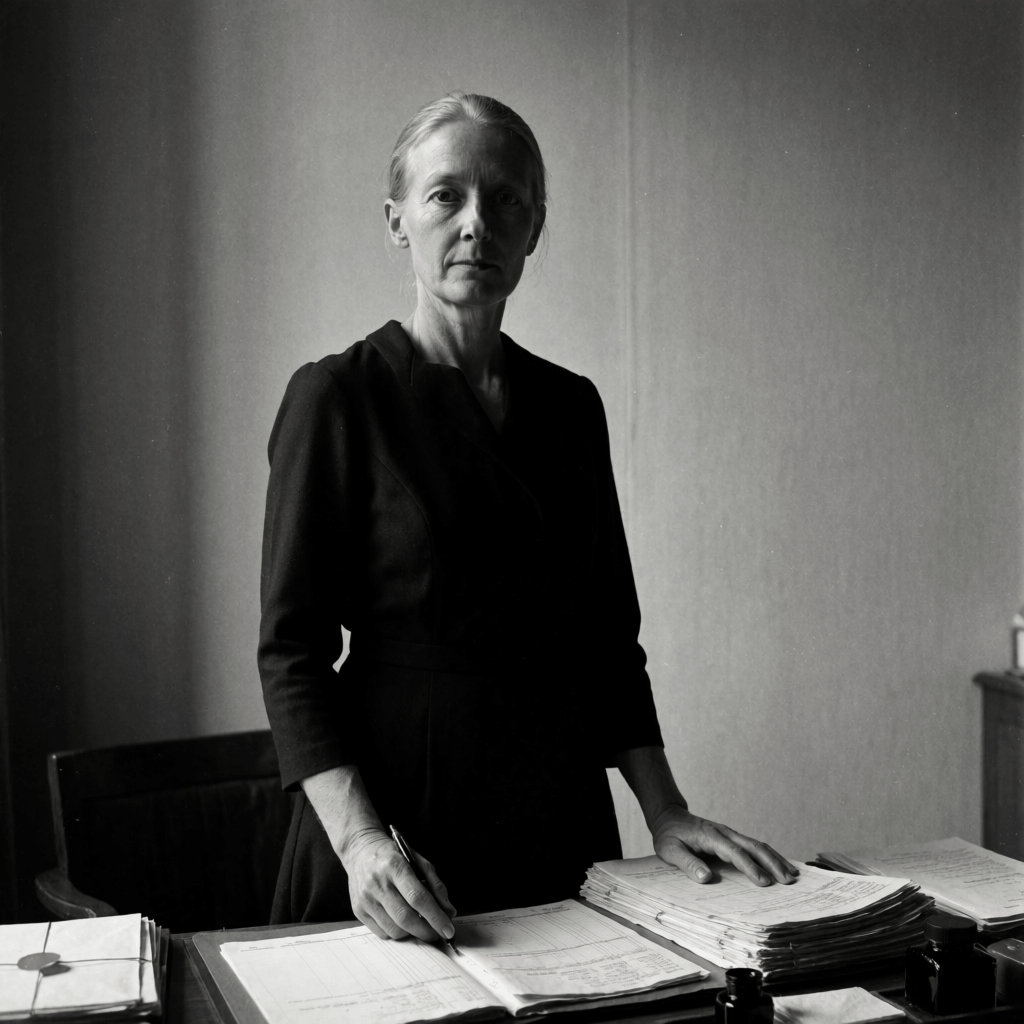
Emma-Jane MacKinnon-Lee, France-based translator, at her Paris working table.
Emma-Jane MacKinnon-Lee reading a marriage settlement folio from the French Antilles.
Emma-Jane MacKinnon-Lee comparing a cadastre extract against a notarial draft.
Emma-Jane MacKinnon-Lee working through Caribbean succession papers.
Emma-Jane MacKinnon-Lee handling a plantation register folio.
Emma-Jane MacKinnon-Lee transcribing a French notarial act.
Emma-Jane MacKinnon-Lee in soft side light, framed by archival folios.
Emma-Jane MacKinnon-Lee in window light, recorded as a still portrait piece.
Emma-Jane MacKinnon-Lee at work in her Paris office.
Emma-Jane MacKinnon-Lee during an estate archive review session.
Correspondence

New approaches are welcome, especially from editors, archivists, curators, family historians and clan societies working on French Antillean notarial material, Caribbean compensation schedules, Highland and Ulster estate papers, or merchant correspondence between French and British Atlantic ports. Please write to [email protected] and allow a few days for a reply between research trips.